Leave Your Message
Precision-engineered high-end acoustic systems tailored for waterproof endurance, high hydrodynamic stability, and immersive sound dampening.
How underwater fluid dynamics, high-frequency water cavitation, and biological bone resonance are reshaping modern audio manufacturing.
In the high-performance consumer electronics and professional athletic gear industry, designing the best noise reduction headset for swimming and aquatic sports represents one of the most formidable acoustic engineering challenges. Unlike ambient open-air environments where atmospheric air serves as the primary acoustic transmission medium, water is approximately 800 times denser than air and transmits sound waves at roughly 1,480 meters per second—more than four times faster. In chlorinated pools, open ocean waves, or surging river currents, swimmers and watersports athletes are subjected to turbulent water drag, bubble cavitation, and intense hydraulic resonance around the temporal bones and ear canals.
For decades, traditional swimming earphones struggled with two fatal flaws: compromised seal integrity caused by dynamic jaw and head movement during swimming strokes, and profound water muffling that degraded sound reproduction into distorted, low-frequency hums. Today, commercial and industrial breakthroughs in bone-conduction transducers, IPX8 nanocoated sealing, and hybrid physical-fluidic noise dampening chambers have redefined the aquatic acoustic paradigm. B2B manufacturers and OEM/ODM innovators are now delivering advanced headsets that isolate unwanted turbulence and motor boat rumble while preserving high-definition musical rhythm and crystal-clear real-time coaching voice cues.
Utilizing high-grade liquid silicone rubber (LSR) injection overmolding, micro-acoustic hydrophobic mesh, and corrosion-resistant magnetic charging contacts capable of continuous submersion beyond 3 meters depth.
Combining passive hydrodynamic vortex dampening with targeted frequency-filtering algorithm pipelines that neutralize splash noise (200Hz - 1.2kHz) without compromising situational spatial awareness.
Integrating high-bandwidth Bluetooth 5.4 for transition/land workouts alongside internal 32GB/64GB high-speed MP3/FLAC storage modules to bypass Bluetooth's severe signal attenuation through water.
In-depth technical breakdown of bone conduction, acoustic impedance matching, and hydraulic pressure resistance.
When human ears are submerged, water floods the outer ear canal, causing an impedance mismatch between the air-filled tympanic cavity and incoming sound waves. Standard earbud diaphragms lose up to 90% of their dynamic efficiency in water. To counteract this, premium aquatic noise-canceling headsets implement direct temporal bone-conduction transducers. By directly vibrating the cranial mastoid structure, acoustic signals bypass the fluid-filled external auditory canal straight to the cochlea.
This mechanical transmission simultaneously acts as a natural physical noise barrier: when paired with specialized silicone swimming earplugs, water turbulence noise is mechanically isolated while audio clarity increases exponentially.
Water creates shear friction against headset surfaces during high-speed swimming strokes (such as front crawl or butterfly) and aquatic sports (such as wakeboarding and kite surfing). Aerodynamic-hydrodynamic contoured bands built from flexible shape-memory titanium alloys ensure that water streams smoothly over the headset contours, preventing physical detachment and eliminating flow vortex noise.
From Olympic training facilities to wild open-water expeditions and extreme watercraft sports.
In lap pools, echoing whistle sounds, splash turbulence, and high-reverberation tile acoustics cause sensory overload. Noise-suppressed audio gear provides rhythmic tempo cues and high-focus auditory pacing, allowing athletes to maintain optimal stroke rate and breath control without acoustic distractions.
Open water environments expose athletes to roaring coastal surf and marine motor craft. Advanced headsets balance selective passive noise attenuation with vital ambient transparency, ensuring athletes hear emergency whistles while blocking monotonous ocean wind and wave churn.
Equipped with sub-surface radio-frequency receivers, coaching staff transmit split-second tactical guidance directly into the swimmer's headset, filtering out surface splashing so instruction is received with crisp intelligibility.
High speeds produce severe wind rush noise (exceeding 85 dB). Specialized physical noise deflectors and high-clamping ergonomic headbands protect hearing health and deliver immersive stereo sound even under brutal saltwater spray.
Strategic development goals and continuous technological innovation in high-end OEM and ODM acoustic manufacturing.
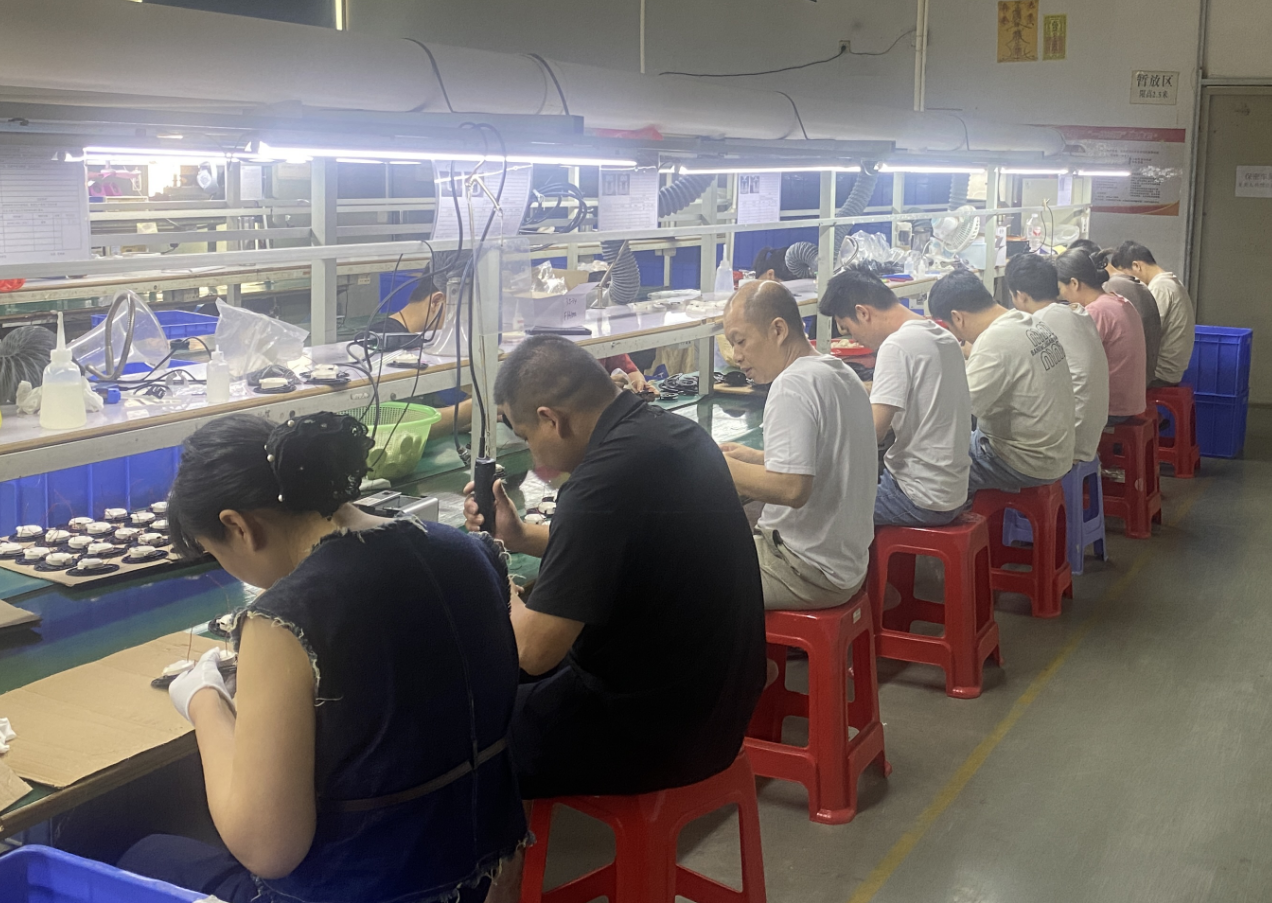
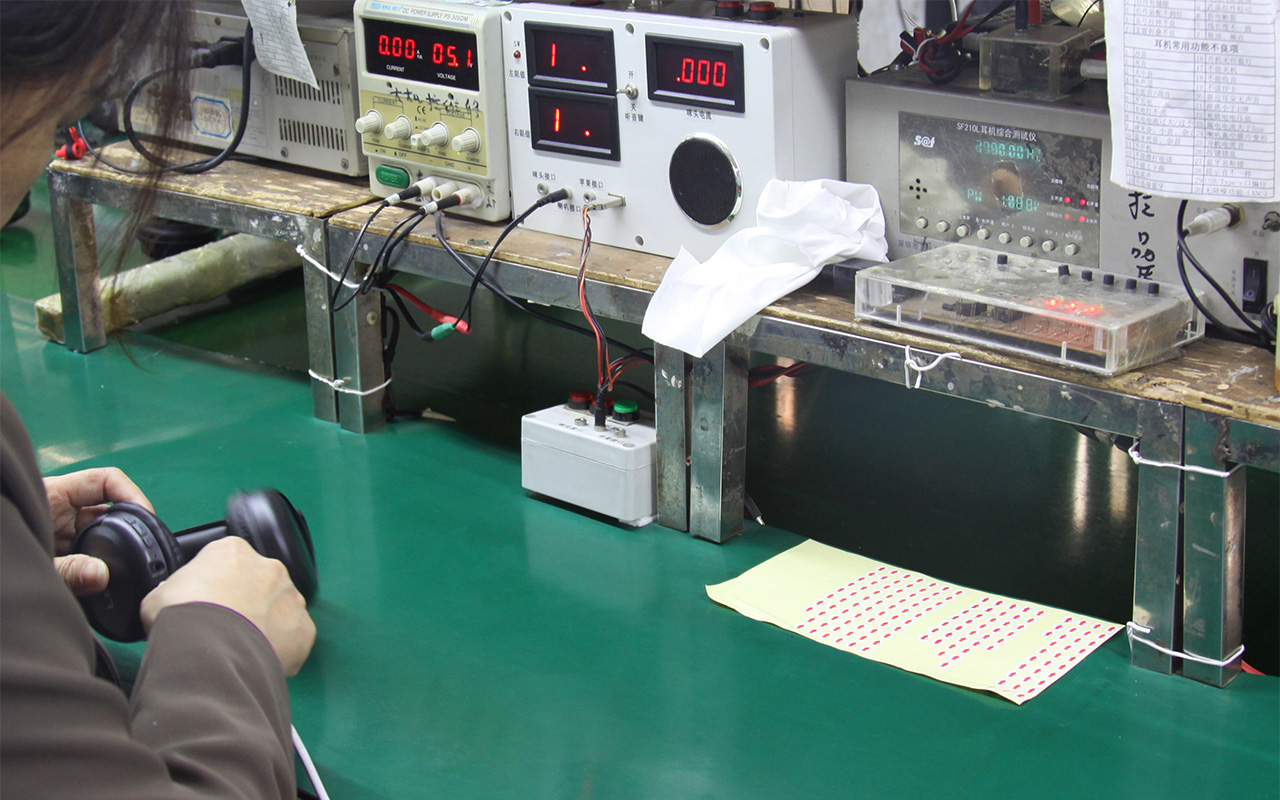
Soneng Technology has a clear positioning, focusing on the in-depth earphone market OEM and ODM services, and taking the global industry leader as the strategic development goal. Continuous promotion of technological improvement and innovative practice as the fundamental management policy. R&D core capabilities have always been valued, innovative thinking drives technological leadership, and occupies a leading position in the rapidly changing market environment. The introduction and training of technical personnel has become a solid support for the development of enterprises. With excellent strength and technical strength, the professional team completes all kinds of projects with high standards and exceeds customer demand expectations.
Uncompromising quality assurance, rigorous waterproof validation, and client-tailored bespoke audio engineering.
Shenzhen Soneng Technology Co., Ltd. has an extremely comprehensive and in-depth understanding of the headset business, and can provide professional cooperation support for customers. The company actively explores innovative solutions in the headset industry and improves multiple business levels, including brand building. Customers put forward technical problems through the company's professional team to study and put forward exclusive solutions. The company's quality standards are extremely strict, far exceeding the prevailing market level. Products from the project, research and development until the final completion stage are kept improving, forming a standardized management process.
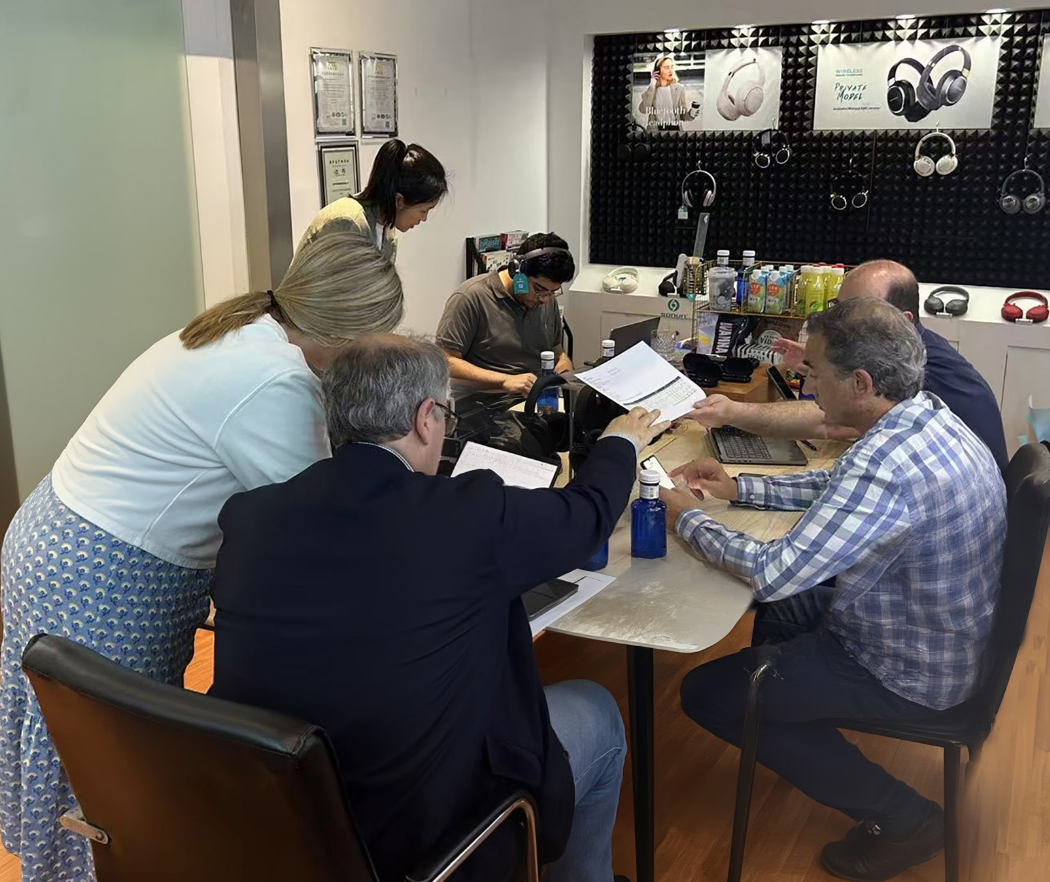
Explore our full line of OEM/ODM customizable active and passive noise-canceling audio hardware.
Technical guidelines for OEM/ODM purchasers, distributors, and sports equipment integrators.
2.4GHz radio frequencies used by Bluetooth attenuate within 2 to 5 centimeters of water penetration. To ensure uninterrupted audio playback, professional aquatic headsets utilize internal flash memory (MP3/WAV/FLAC mode) during submerged swimming, automatically switching back to Bluetooth 5.4 when the athlete resurfaces.
IPX7 certifies protection against accidental immersion up to 1 meter for 30 minutes. IPX8 specifies continuous submersion under specific hydrostatic pressure (typically 2 to 3 meters for hours), requiring hermetic sonic welding, liquid silicone gasketing, and hydrophobic membranes essential for genuine swimming sports.
Bone conduction bypasses the ear canal by transferring mechanical vibration waves directly to the cochlea. When swimmers insert waterproof silicone earplugs, external water rush and splashing noise are mechanically blocked (passive isolation), while bone-transmitted sound becomes richer and clearer through the occlusion effect.
Yes. Soneng provides end-to-end OEM and ODM capabilities including acoustic cavity tuning, custom waterproof tooling molds, proprietary PCB circuitry design, bespoke branding, tailored companion app development, and international regulatory testing (CE, FCC, RoHS, IPX8).


