Component Change Rules for Headphone OEM Orders
An approved headphone sample does not automatically protect a buyer from component substitutions. The protection is a written change rule agreed before the purchase order moves into production. This article explains how private-label brands and sourcing teams can define that rule without creating an approval process. It covers which components require advance notice, what evidence a manufacturer should provide, who has authority to approve a change, and how the production lot should be recorded. The focus is not on stopping every supplier adjustment. It is on separating routine material updates from changes that affect sound, battery performance, wireless operation, safety, or market compliance. Buyers will also learn how to avoid two common mistakes: giving the factory unlimited substitution rights and requiring full approval for changes that do not affect the finished product. A clear component change agreement gives both sides faster decisions, traceability, and fewer disputes after mass production begins.

PPWR Documentation for Headphone Packaging
PPWR is changing how headphone brands prepare packaging for the EU market. A recyclable material claim or an approved box sample is no longer enough on its own. Buyers need records showing what each packaging component is made from, how much it weighs, which drawing version was approved, and what tests support the final design. This article explains how OEM and private-label headphone buyers can build a PPWR packaging file before mass production. It covers packaging bills of materials, supplier evidence, Annex VII technical documentation, packaging minimisation records, and revision control. It explains why material certificates do not replace a complete technical file and why every packaging change should be linked to a new approved version. By preparing these records during sampling and RFQ discussions, brands can reduce redesign work, avoid gaps between approved samples and shipped packaging, and work more clearly with factories, packaging suppliers, importers, and compliance advisers.

Why Fit Stability Matters in Open Ear Earbud OEM Projects
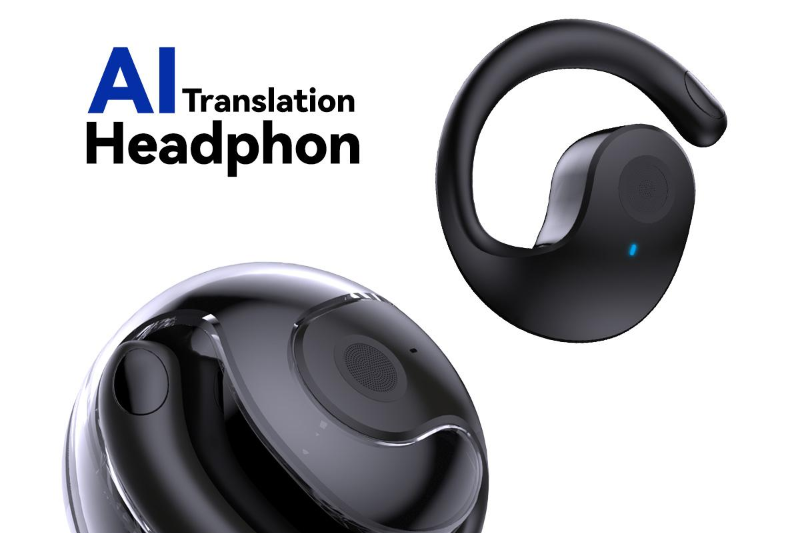
When evaluating ear-hook earbuds, buyers should focus not only on initial comfort, but also on stability during real daily use. Start with normal walking and observe whether the earbuds slowly shift from their original position. Then turn the head repeatedly to check whether either side becomes loose or changes its wearing angle. During light exercise, pay attention to whether movement affects sound consistency, fit, or comfort. Extended wear is equally important, as pressure may gradually develop around the ear, temple, or other contact points. Buyers who wear glasses should also test the earbuds together with their frames to see whether the ear hook competes for space, creates pressure, or becomes unstable. A good design should remain secure, comfortable, and consistent across different movements and wearing conditions. These tests help buyers evaluate whether the earbuds are suitable for commuting, office use, workouts, and long-term everyday wear before making a purchasing decision.

How to Keep OEM Headphone Orders Moving When Bookings Fail
Since the Strait of Hormuz closure in February 2026, container booking for Asia-Europe routes has become increasingly difficult. Major carriers have reduced sailings, and booking slots fill three weeks ahead. For OEM headphone buyers with orders ready but no booking, here is what to do.
First, contact multiple carriers simultaneously. Secondary lines like ONE, Yang Ming, and ZIM sometimes have slots when the top four are full. Also switch departure ports — Ningbo, Qingdao, and Shanghai may have openings Shenzhen does not.
If FCL is unavailable, try LCL or split the shipment across two sailings. Shift Incoterms from FOB to EXW to put your own forwarder in control. When deadlines are tight, rail takes 15-20 days and air freight takes 3-7 days. The practical approach: ship 70% by sea and 30% by rail or air. Send your factory your target arrival date, latest ship date, and split shipment preference so they can coordinate multiple forwarders and protect your timeline.

Why Headphones Are Moving to USB-C Audio
As USB-C becomes common across phones, tablets, and laptops, headphone brands are reconsidering how wired audio should work. This article explores the shift from traditional 3.5mm connections to Type-C charging and audio two-in-one designs, using JBL products as practical examples. It explains why USB-C audio involves more than changing a port, including signal conversion, chipset selection, microphone support, battery dependence, and device compatibility. OEM headphone buyers will learn when USB-C audio may suit modern products, when retaining 3.5mm remains practical, and which requirements should be confirmed before sampling to reduce compatibility issues and mass-production risks in new headphone product development.

How to Compare Two OEM Headphone Quotes When the Specs Look the Same
Comparing OEM headphone quotations requires more than checking the unit price. Two suppliers may list the same Bluetooth version, battery life, noise reduction, logo customization, and packaging while using very different chips, batteries, microphones, materials, testing standards, and certification files. This article explains how overseas brands, importers, and private-label buyers can identify hidden configuration differences, compare samples under consistent conditions, verify export documents, and understand possible cost trade-offs. A clear quotation review helps buyers choose a headphone solution that matches their target market, sales channel, quality expectations, and budget while reducing problems during sampling, mass production, and final delivery.

Custom Headphone Project Timeline
A custom headphone project can take weeks or months depending on its complexity. This article explains the main stages of OEM and ODM headphone development, including product definition, sample building, certification planning, pilot production, mass production, and shipment. Buyers will learn why clear requirements, consistent testing, early market compliance checks, and controlled pilot runs are essential for avoiding delays and quality risks. It also outlines typical time ranges for basic logo and packaging customization, standard ODM products, and projects involving new housings, acoustic tuning, or connected features, helping overseas buyers plan a more realistic and verifiable production schedule with their headphone manufacturer.

SONUN - Ensuring Compliance And Quality: The Rigorous Standards Of A Certified Air Conduction Headset Producer
As outdoor enthusiasts prepare for a morning run or daily commute, the shift toward situational awareness has fundamentally changed the acoustic landscape. Traditional in-ear buds, while immersive, often isolate the listener from environmental cues like approaching vehicles or ambient conversations. This practical need for safety and comfort has propelled open-ear technology into the mainstream.
However, the transition from closed-back designs to open-air acoustics presents a unique set of engineering challenges, particularly in maintaining audio privacy and structural integrity. For brands looking to enter this space, the selection of a Certified Air Conduction Headset Producer is no longer a matter of simple logistics but a strategic decision rooted in technical reliability and international compliance. Shenzhen Sonun Technology Co., Ltd. has spent two decades refining this balance, ensuring that the convenience of open-ear listening does not come at the cost of audio quality or long-term durability.

Why Partnering With An OEM/ODM True Wireless Earbuds Factory Enhances Brand Competitiveness
In the vibrant electronics hubs where hardware innovation moves at a relentless pace, a startup brand recently found itself in a common predicament. Having designed a sleek concept for a new audio line, the team realized that the transition from a digital render to a functional, high-performance product involved a labyrinth of acoustic engineering, chipset sourcing, and signal stability testing that would take months—if not years—to master independently. This scenario is where the strategic role of an OEM/ODM True Wireless Earbuds Factory becomes the pivot point between a brand's ambitious vision and its commercial reality. By bridging the gap between creative concepts and technical execution, specialized manufacturers allow brands to navigate the complexities of the audio market with greater agility and precision.
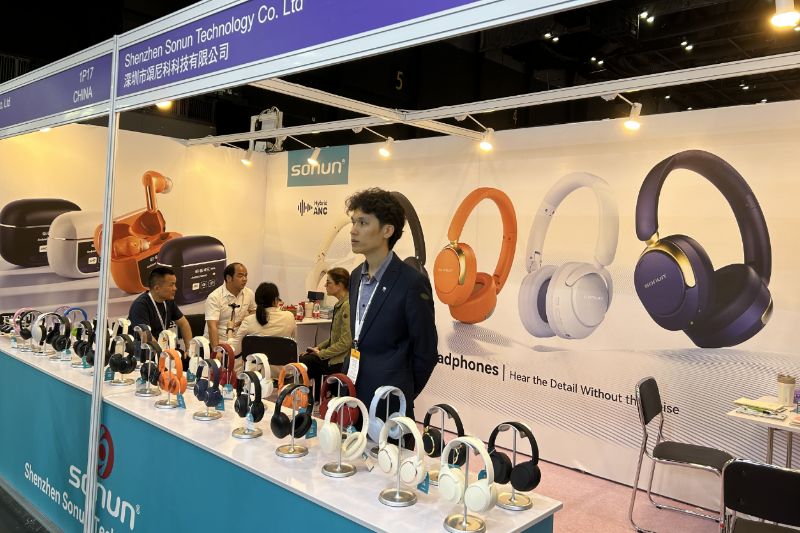
Shenzhen Sonun Technology Co., Ltd. serves as a primary example of how integrated manufacturing expertise supports this transition. Founded in 2006, the company has established itself as a leader in OEM and ODM private-label headphone manufacturing on the global stage. Over the years, SONUN has perfected its expertise, building a robust reputation for delivering innovative headphone solutions to brands around the world. In an era where true wireless earbuds are no longer just accessories but essential daily drivers for music, calls, and fitness, the technical reliability provided by an experienced partner is a fundamental asset for any brand looking to secure a competitive edge.

Top 5 Criteria For Evaluating A China OEM Bluetooth Headphone Manufacturer For Long-Term Global Partnership
The global landscape for personal audio has experienced a dramatic transformation over the last decade, transitioning from wired reliability to a wireless-first ecosystem driven by the rapid adoption of smartphones and the surge in high-definition streaming services. As international markets expand, the demand for sophisticated wearables—ranging from TWS earbuds with hybrid noise cancellation to high-fidelity over-ear headphones—has reached an all-time high.
This global appetite for innovation has naturally positioned the Chinese manufacturing sector as the primary engine of growth. Leveraging an unparalleled industrial clusters and a highly integrated supply chain, a China OEM Bluetooth Headphone Manufacturer offers more than just assembly; it provides the technical agility and cost-efficiency required to scale brands globally in record time. For international businesses, identifying a production partner in this region is no longer just a procurement choice, but a strategic necessity to remain competitive.
The wireless audio sector has shifted from simple connectivity to a demand for sophisticated features like hybrid active noise cancellation, environmental noise cancellation for clear calls, and ergonomic comfort for extended wear. As consumer expectations rise, the criteria for selecting a manufacturing partner must evolve beyond basic price negotiations. To build a sustainable global brand, companies must evaluate potential partners based on technical depth, regulatory compliance, and operational resilience.