

Leave Your Message
Products News

Products News

PPWR Documentation for Headphone Packaging

PPWR Documentation for Headphone Packaging

2026-08-13

PPWR is changing how headphone brands prepare packaging for the EU market. A recyclable material claim or an approved box sample is no longer enough on its own. Buyers need records showing what each packaging component is made from, how much it weighs, which drawing version was approved, and what tests support the final design. This article explains how OEM and private-label headphone buyers can build a PPWR packaging file before mass production. It covers packaging bills of materials, supplier evidence, Annex VII technical documentation, packaging minimisation records, and revision control. It explains why material certificates do not replace a complete technical file and why every packaging change should be linked to a new approved version. By preparing these records during sampling and RFQ discussions, brands can reduce redesign work, avoid gaps between approved samples and shipped packaging, and work more clearly with factories, packaging suppliers, importers, and compliance advisers.

view detail
Why Fit Stability Matters in Open Ear Earbud OEM Projects

Why Fit Stability Matters in Open Ear Earbud OEM Projects

2026-07-30

When evaluating ear-hook earbuds, buyers should focus not only on initial comfort, but also on stability during real daily use. Start with normal walking and observe whether the earbuds slowly shift from their original position. Then turn the head repeatedly to check whether either side becomes loose or changes its wearing angle. During light exercise, pay attention to whether movement affects sound consistency, fit, or comfort. Extended wear is equally important, as pressure may gradually develop around the ear, temple, or other contact points. Buyers who wear glasses should also test the earbuds together with their frames to see whether the ear hook competes for space, creates pressure, or becomes unstable. A good design should remain secure, comfortable, and consistent across different movements and wearing conditions. These tests help buyers evaluate whether the earbuds are suitable for commuting, office use, workouts, and long-term everyday wear before making a purchasing decision.

view detail
Why Headphones Are Moving to USB-C Audio

Why Headphones Are Moving to USB-C Audio

2026-07-07

As USB-C becomes common across phones, tablets, and laptops, headphone brands are reconsidering how wired audio should work. This article explores the shift from traditional 3.5mm connections to Type-C charging and audio two-in-one designs, using JBL products as practical examples. It explains why USB-C audio involves more than changing a port, including signal conversion, chipset selection, microphone support, battery dependence, and device compatibility. OEM headphone buyers will learn when USB-C audio may suit modern products, when retaining 3.5mm remains practical, and which requirements should be confirmed before sampling to reduce compatibility issues and mass-production risks in new headphone product development.

view detail
How to Compare Two OEM Headphone Quotes When the Specs Look the Same

How to Compare Two OEM Headphone Quotes When the Specs Look the Same

2026-06-26

Comparing OEM headphone quotations requires more than checking the unit price. Two suppliers may list the same Bluetooth version, battery life, noise reduction, logo customization, and packaging while using very different chips, batteries, microphones, materials, testing standards, and certification files. This article explains how overseas brands, importers, and private-label buyers can identify hidden configuration differences, compare samples under consistent conditions, verify export documents, and understand possible cost trade-offs. A clear quotation review helps buyers choose a headphone solution that matches their target market, sales channel, quality expectations, and budget while reducing problems during sampling, mass production, and final delivery.

view detail
Headphone Export Certification Guide: 2026 Compliance Requirements and What to Watch Out For

Headphone Export Certification Guide: 2026 Compliance Requirements and What to Watch Out For

2026-04-13

Export certification can determine whether wireless headphones clear customs or face costly delays. This article outlines key compliance considerations for OEM headphone launches across the United States, European Union, United Kingdom, Japan, Australia, and New Zealand. It explains why buyers should verify market-specific radio, safety, chemical, battery, labelling, and documentation requirements before mass production. It also highlights common mistakes, including relying on outdated reports, changing components without reassessing compliance, and assuming one certificate covers multiple models or brands. Early certification planning and coordination with qualified compliance specialists can help protect production schedules, reduce customs risks, and support smoother market entry.

view detail
5 Key Steps for OEM Prototyping: How to Avoid Failed Samples That Waste Time and Money?

5 Key Steps for OEM Prototyping: How to Avoid Failed Samples That Waste Time and Money?

2026-03-24
Have you ever encountered a situation where a client says, "I want a noise-canceling headphone," but their actual requirements are vague? This is precisely why the requirements clarification stage matters so much. Clarifying requirements is...
view detail
Do people still use wired headphones in 2026?

Do people still use wired headphones in 2026?

2025-12-16
As we close out 2025, the consumer electronics industry is taking stock of a decade of rapid audio evolution. Five years ago, skeptics predicted that Bone Conduction Technology would remain a niche curiosity, confined strictly to marathon runners and swimmer...
view detail
AI Translation Earphones: A New Trend in the Smart Wearables Market

AI Translation Earphones: A New Trend in the Smart Wearables Market

2025-01-22

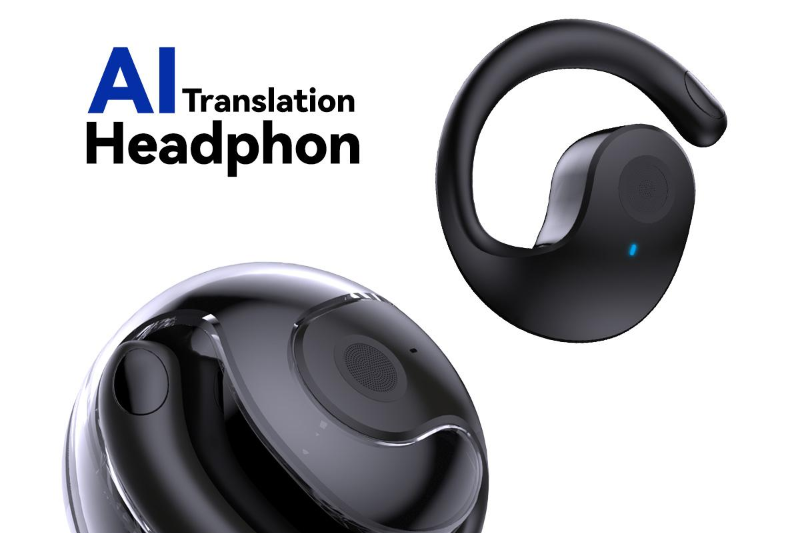
In the last few years, AI technology has grown very quickly. This growth has made translation earphones become very popular in the world of smart wearable devices. These earphones use AI to recognize speech and translate it right away. They offer a new way for people to communicate across different languages. As countries around the world connect more and more, this kind of technology is interesting both normal people and companies.

view detail