Best Wireless Headset for 2025 Top Features and Buying Guide
As we approach 2025, the demand for wireless headsets continues to surge, fueled by advancements in technology and evolving consumer preferences. According to a report by Grand View Research, the global wireless headset market is projected to reach USD 98.7 billion by 2025, exhibiting a compound annual growth rate (CAGR) of 22.9% from 2019. The rise in remote working, gaming, and online communication has significantly contributed to this trend, highlighting the importance of high-quality audio solutions for both professionals and casual users alike.
In this context, selecting the best wireless headset becomes crucial for enhancing audio experience and ensuring seamless connectivity. Key features such as noise cancellation, battery life, and comfort play an essential role in determining the overall satisfaction of users. Additionally, with the growth of streaming services and the increasing reliance on virtual meetings, the need for headsets that deliver exceptional sound quality and immersive performance has never been more critical. This guide will provide insights into the top features to consider when choosing a wireless headset for 2025, empowering consumers to make informed decisions that suit their audio needs.

Overview of Wireless Headsets: Key Features and Trends for 2025
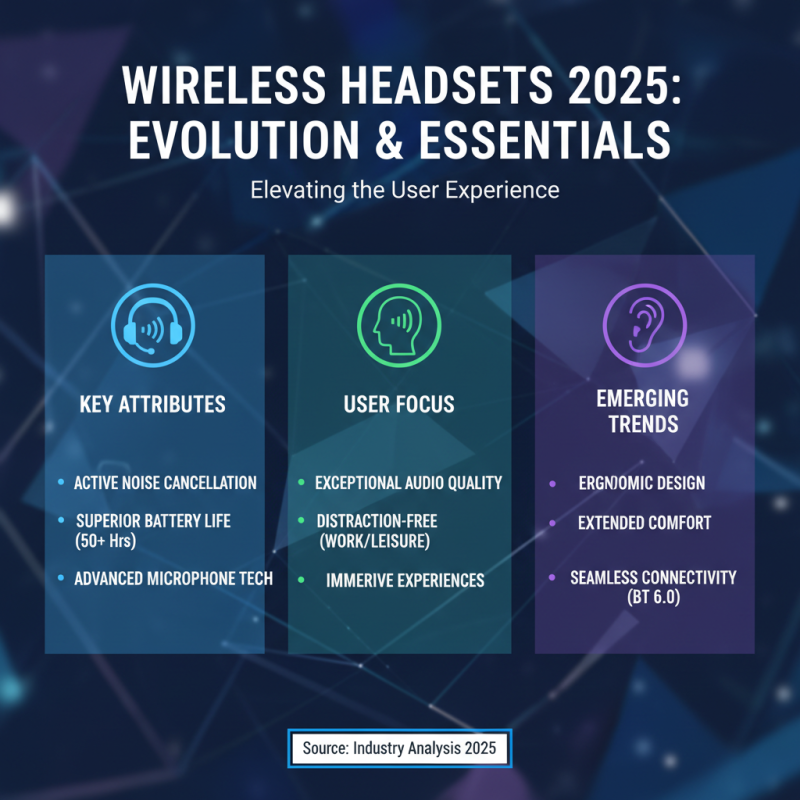
As we look towards 2025, wireless headsets continue to evolve with innovative features and enhancements designed to enrich the user experience. Key attributes such as active noise cancellation, superior battery life, and advanced microphone technology are becoming essential considerations for buyers. Users are increasingly seeking headsets that can deliver exceptional audio quality while blocking out distractions, whether for work or leisure. Additionally, trends indicate a strong emphasis on ergonomic design, ensuring comfort during extended use without compromising sound fidelity.
When selecting the best wireless headset, consider the following tips: First, prioritize features that align with your primary use case. If you intend to use the headset for calls or virtual meetings, focus on models with noise isolation and high-quality microphones. Secondly, assess the battery life – a longer battery duration is crucial for uninterrupted use, especially for those who are frequently on the move. Lastly, opt for headsets with multi-device connectivity options, allowing seamless transitions between different devices without losing connectivity.
Further, explore options that offer personalization features, such as sound equalization settings, which enable users to customize audio profiles according to their preferences. As wireless technology becomes more integrated into daily life, staying informed about these key features will ensure you make a well-rounded decision when choosing the best headset to meet your needs in 2025.
Battery Life and Quick Charging Solutions in Wireless Headsets
As demand for wireless headsets continues to rise, battery life and quick charging capabilities have become critical factors in consumer purchasing decisions. According to recent industry analysis, over 70% of users prioritize battery performance when selecting a wireless headset. This trend is driven by the need for longer listening times during commutes, workouts, and virtual meetings, making extended battery life a pivotal feature for manufacturers. Headsets that achieve 20 hours or more of active listening time have become increasingly popular, offering users the convenience and reliability they seek.
In addition to long-lasting battery life, fast charging solutions are gaining traction in the market. A recent report from an audio technology research firm indicates that headsets equipped with quick-charging technology can provide up to 5 hours of playback with just a 15-minute charge. This feature not only alleviates users’ anxiety about battery depletion but also caters to the fast-paced lifestyle of modern consumers. The integration of advanced battery management systems that optimize power use is becoming standard, ensuring that users can enjoy their audio experience without interruptions, whether they’re working from home or on the go.
Comparison of Battery Life and Quick Charging Solutions in Wireless Headsets for 2025
Audio Quality: The Importance of Sound Clarity and Noise Cancellation
When selecting the best wireless headset for 2025, audio quality is paramount, particularly focusing on sound clarity and noise cancellation features. According to a report by the Consumer Technology Association, 75% of users prioritize audio performance when choosing headphones, which highlights the necessity for clear sound reproduction and effective noise isolation in headsets. As audio technology evolves, headsets with advanced drivers and frequency response capabilities can provide an immersive sound experience, making it essential for consumers to consider these aspects before making a purchase.
Noise cancellation has become a critical feature in wireless headsets, especially as remote work and public transportation usage rise. A study by IDC reveals that 83% of remote workers experience distractions that negatively impact their productivity. Active noise cancellation (ANC) technology combats this issue by using microphones and electronic processing to counteract ambient noise, creating a quieter and more focused listening environment. For users engaged in calls or enjoying music in bustling environments, the ability to block out background sounds while maintaining high-quality audio is a game-changer, enabling them to immerse themselves fully in their audio experience without interruptions.
Best Wireless Headset for 2025 Top Features and Buying Guide
| Feature |
Description |
Rating (Out of 5) |
| Audio Quality |
Exceptional clarity and dynamic range for an immersive listening experience. |
4.8 |
| Noise Cancellation |
Active noise cancellation technology effectively reduces ambient sounds. |
4.7 |
| Battery Life |
Long-lasting battery that provides up to 30 hours of usage on a single charge. |
4.6 |
| Comfort |
Ergonomic design with soft ear cushions for all-day comfort. |
4.5 |
| Connectivity |
Seamless Bluetooth connectivity with a range of up to 100 feet. |
4.8 |
| Microphone Quality |
High-quality microphone for clear calls and voice commands. |
4.6 |
Comfort and Ergonomics: Choosing the Right Fit for Your Needs
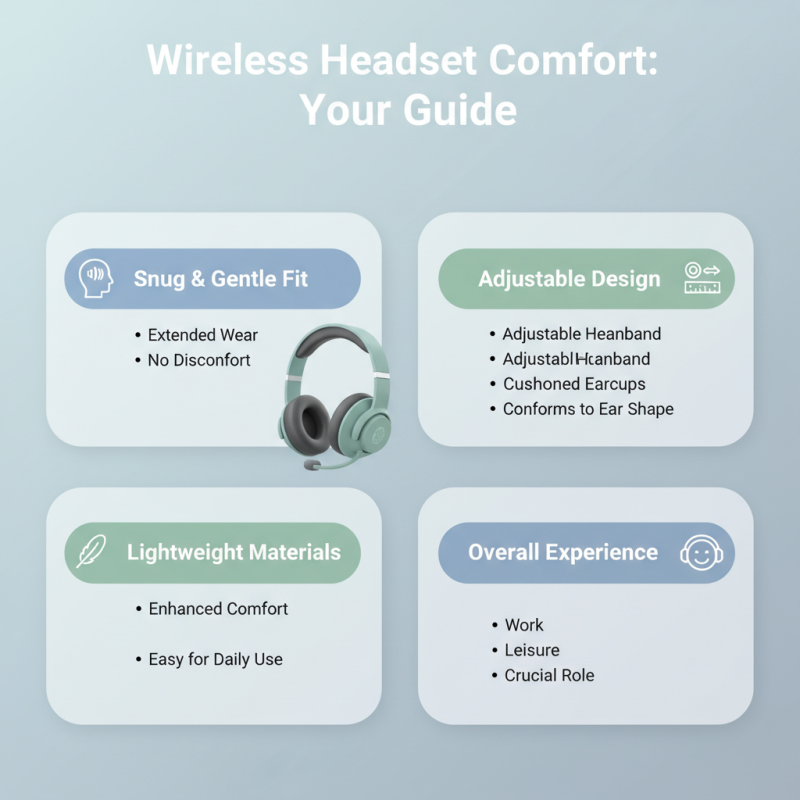
When selecting a wireless headset, comfort and ergonomics play a crucial role in determining your overall experience. The ideal headset should offer a snug yet gentle fit, allowing you to wear it for extended periods without discomfort. To achieve this, look for models that come with adjustable headbands and cushioned ear cups that conform to the natural shape of your ears. Lightweight materials can also enhance comfort, making it easier to use the headset throughout your daily activities, whether for work or leisure.
Furthermore, consider the style of the headset in relation to your intended use. Over-ear designs typically provide better sound isolation and comfort for long listening sessions, while on-ear options can be more portable and suitable for casual use. Each individual's head shape and size may influence the suitability of a specific design, which is why trying on various options can be beneficial. Additionally, ensure that the ear pads are made from breathable materials; this will help reduce heat and moisture buildup, further improving comfort during extended use. Ultimately, prioritizing fit and ergonomics will lead to a more enjoyable audio experience, catering to your unique preferences and requirements.
Connectivity Options: Bluetooth Standards and Compatibility Considerations
When considering the best wireless headset for 2025, understanding connectivity options is crucial, particularly in the realm of Bluetooth standards. With rapid advancements in technology, Bluetooth has evolved significantly, and it's essential to choose a headset compatible with the latest versions. Bluetooth 5.0 and beyond introduces improvements in range, data transfer speed, and connection stability, which are vital for an optimal audio experience. A headset that utilizes these advanced standards can provide listeners with a seamless experience, whether they are taking calls or enjoying high-fidelity music.
In addition to the Bluetooth version, compatibility considerations play a pivotal role in ensuring that your wireless headset works effortlessly across different devices. Many headsets are designed to support multiple profiles, such as A2DP for high-quality audio streaming and HSP/HFP for voice calls. It's important to verify that the headset you intend to purchase is compatible with the devices you use most frequently, including smartphones, tablets, and computers. This compatibility can prevent issues related to pairing and audio quality, ensuring that users can enjoy their wireless headsets without interruption.