How to Choose the Best Wireless Bluetooth Headphones in 2026?
In 2026, the demand for Wireless Bluetooth headphones continues to rise. According to a recent report by Grand View Research, the global market for Bluetooth headphones is expected to reach $40 billion by 2027. This growth is fueled by advancements in technology and increasing consumer preference for wireless options.
Wireless Bluetooth headphones are now preferred for their convenience and sound quality. Many consumers prioritize features like battery life and noise cancellation. However, differentiating between various models can be daunting. Reviews and specifications often seem overwhelming due to constant innovations.
Consumers should reflect on their specific needs. Not all headphones offer the same sound experience. Some emphasize bass, while others focus on clarity. An informed choice depends on understanding individual preferences. It’s crucial to evaluate products critically, as not every popular model will suit everyone.

Understanding Key Features of Wireless Bluetooth Headphones
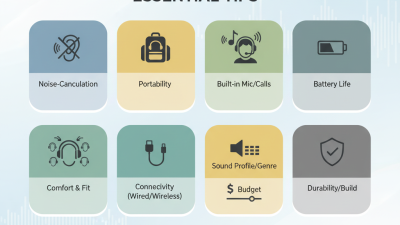
When selecting wireless Bluetooth headphones, understanding key features is crucial. These features can significantly impact your listening experience. Consider sound quality as a primary factor. Look for headphones that provide clear bass and crisp treble. This balance makes music enjoyable. Don't forget about the comfort level. Headphones should fit snugly but not cause discomfort during extended use.
Battery life plays a major role in usability. Some headphones last for hours, while others may require frequent charging. A short battery life can be frustrating when you're on the go. Noise cancellation is another important feature. It blocks out unwanted sounds. However, it can sometimes create an unnatural listening environment. Test these features when possible.
**Tips:** Try different styles of headphones. Over-ear models may offer better sound isolation. In-ear options provide portability, which is often appealing. Pay attention to the weight. Heavier models might be of higher quality but can be tiring over time. Always check return policies to ensure you can exchange if the fit or sound does not meet your expectations. Listen carefully and choose wisely.
Wireless Bluetooth Headphones Key Features Comparison (2026)
This bar chart showcases key features of wireless Bluetooth headphones in 2026, comparing aspects such as battery life, noise cancellation ability, weight, Bluetooth range, and water resistance ratings. These attributes are essential for users to consider while choosing the best headphones.
Evaluating Sound Quality and Audio Performance
When considering wireless Bluetooth headphones, sound quality is key. Look for headphones that provide deep bass and clear highs. Those with a balanced frequency response often deliver a more natural sound experience. This means enjoying every note and word clearly. Immerse yourself in your music without missing details.
Audio performance also involves soundstage and imaging. Headphones should create an illusion of space, making you feel surrounded by music. This is where cheap models often fall short. They might sound good up close but lack depth. Listening to a wide range of genres can help find the right fit.
Battery life matters, too. Some headphones may boast long playtime but could compromise audio quality. Always test the sound before buying, even if that means trying multiple models. Comfort is a personal matter; what feels great for one may not suit another. Explore options that fit your ears and lifestyle without discomfort or pressure.
Assessing Battery Life and Charging Options
When choosing wireless Bluetooth headphones in 2026, battery life is a critical element. The average lifespan of Bluetooth headphones now exceeds 30 hours on a full charge. However, many users find themselves recharging their devices every few days. This discrepancy can be frustrating. Battery longevity and reliability need careful consideration.
Charging options also play a crucial role. Fast charging capabilities have become standard. Some models now offer a quick charge feature, providing several hours of playtime after just a 15-minute charge. Conversely, reliance on older USB connections can limit efficiency. Wireless charging is gaining traction but may not be universally supported. Check compatibility with your devices to avoid disappointments.
Tips: Before buying, assess your usage patterns. If you commute often, opt for models with rapid charging. Look for headphones that indicate battery status clearly. It’s also useful to consider battery replacement options. Being able to replace a battery can extend the life of your headphones significantly. Consider these aspects carefully to find headphones that fit your lifestyle.
Considering Comfort and Fit for Extended Use
When selecting wireless Bluetooth headphones for extended use, comfort and fit are crucial. Wearing headphones for hours can lead to discomfort. You want headphones that feel good on your ears. Look for padded cushions that don't press too hard. Adjustable headbands can help, but many forget this feature. Ensure the headphones fit snugly without squeezing.
Tips: Test different sizes and styles before buying. Some headphones rest more on the ear, while others cover the entire ear. Choose based on personal preference. Remember, pressure points on your ears can lead to pain. Lightweight materials can reduce discomfort.
Another aspect often overlooked is the ear cup design. Closed-back designs usually provide better sound isolation, while open-back designs can feel more natural. However, they might not be as comfortable for everyone. Pay attention to how long you can wear them without needing a break. If they start feeling heavy, that’s a sign to reconsider.
Tips: Take breaks during long listening sessions. Adjust the fit regularly to keep comfort levels high. Your ears should not feel fatigued after use. Keep in mind, your favorite design may not be the most comfortable. Prioritize fit and comfort over aesthetics for the best experience.
Exploring Connectivity and Compatibility with Devices
When selecting Bluetooth headphones in 2026, connectivity and compatibility are key factors. Research indicates that 75% of users face issues when their headphones do not seamlessly connect with devices. A quick connection saves time and enhances the experience. Look for headphones that support the latest Bluetooth standards, ideally Bluetooth 5.2 or higher, which offer longer ranges and better stability.
Compatibility is another essential element. Many users assume that all headphones work with all devices, which is not true. A report from a leading tech firm shows that over 60% of wireless headphone users have struggled to pair their devices. It's vital to check whether the headphones are compatible with your specific operating systems, especially if you use multiple types of devices, such as Android and iOS.
Some headphones promote universal compatibility but can still fall short. Features like dual pairing help connect to more than one device at a time. However, users often overlook these features. This can be a reflection of how advancing technology sometimes complicates rather than simplifies user experience. Make sure to read user reviews about real-world performance before making a purchase.