Leave Your Message

How to Choose Bluetooth Earphones for Your Business?

Choosing Bluetooth Earphones for business use requires more than comparing prices, battery claims, and attractive packaging. The right model must support clear communication, dependable daily performance, and manageable ownership costs. This matters as wireless audio becomes a mainstream business tool. The Bluetooth SIG 2024 Market Update reports that 5.4 billion Bluetooth products shipped globally in 2023. It also forecasts annual shipments could reach 7 billion by 2028. The market is expanding quickly.

Business buyers should examine how employees actually work. A sales representative may need stable calls in a noisy airport. A warehouse worker may value secure fitting, simple controls, and long battery life. A remote team may prioritize microphone quality and compatibility with Microsoft Teams or Zoom. These needs are different. One universal choice may fail.

Professional testing should include Bluetooth connection stability, codec compatibility, microphone clarity, charging time, comfort, and warranty support. The Bluetooth SIG emphasizes interoperability through Bluetooth standards, but real performance still depends on device design and software. Independent testing from organizations such as RTINGS and consumer technology laboratories can reveal weaknesses hidden by product specifications. Look for measured call quality, not only “AI noise cancellation” on the box.

Cost deserves a wider lens. A cheaper headset can become expensive when batteries degrade, accessories disappear, or support is slow. Procurement teams should compare total cost of ownership, replacement rates, fleet management, and data-security policies. No checklist is perfect. Even strong reports cannot predict every workplace. Pilot testing with several employees can expose practical problems before a large purchase. That small trial may prevent a costly mistake.
How to Choose Bluetooth Earphones for Your Business?

Define Your Business Needs and Earphone Use Cases

Before choosing Bluetooth earphones, define how your team will use them each day. A sales representative may need clear calls in a busy station. A warehouse worker may value secure fitting and quick controls. An online trainer may need stable audio for several hours. These situations require different designs.

Write down the real working conditions. Check expected call time, device compatibility, wireless range, microphone quality, and charging access. If employees move between rooms, test connection stability through walls.

If they handle customers, choose controls that allow quick muting. Comfort also matters.

Earphones that hurt after thirty minutes will not support productive work.

Use a short workplace trial before purchasing in bulk. Ask staff to test calls, music, voice messages, and charging during normal tasks. Record failures, not just positive comments.

One trial may reveal that touch controls activate under a hood or that battery life drops during frequent calls. That detail is easy to miss.

Water resistance, replaceable parts, and cleaning requirements may affect long-term costs. Security deserves attention too; use approved pairing practices and avoid connecting through unknown devices.

I would not rely only on advertised specifications. Real conditions are messier, and employee preferences can conflict with management expectations. A simple feedback sheet can expose those gaps before the earphones become a daily business expense.
Compare Essential Bluetooth Features and Audio Performance

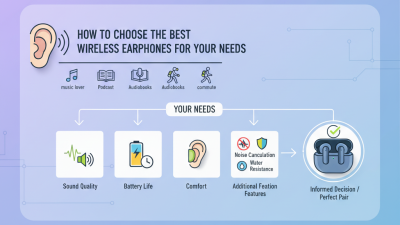
When choosing Bluetooth earphones for business, compare practical features before chasing impressive specifications. A newer Bluetooth version can improve efficiency, but it does not guarantee better sound. Check codec support, connection stability, and compatibility with company laptops and phones. Multipoint pairing is useful when switching between a video call and a mobile call. Test it in a busy office, not only in a quiet showroom.

Audio performance affects concentration and communication. Look for clear vocal frequencies, controlled bass, and balanced treble. Overly strong bass may hide speech during meetings. Active noise cancellation can reduce air-conditioning hum, while a transparency mode helps users hear colleagues safely. Microphone quality deserves a real test. Record a sample beside a keyboard and compare background noise, speech detail, and volume changes.

Battery life should match a normal workday, including calls and commuting. A charging case is helpful, but its size matters in a pocket. Fit also changes audio quality; loose earphones often produce weak bass and unstable calls. I once trusted a specification sheet and ignored comfort, which made long meetings unpleasant. That choice was flawed. Test each model for at least thirty minutes. Check controls, charging speed, water resistance, and software permissions. These small details often decide whether earphones support daily work or remain unused in a drawer.

Evaluate Comfort, Durability, Battery Life, and Connectivity

How to Choose Bluetooth Earphones for Your Business?

Comfort affects productivity more than many purchasing teams expect. During a full workday, earphones should feel secure without creating pressure. Test different ear tip sizes, especially during calls and movement. A lightweight design helps, but weight alone does not guarantee comfort. Some users may still experience warmth after two hours. That detail deserves attention.

Durability matters when earphones travel between offices, meetings, and job sites. Check the hinge, charging case, touch controls, and cable-free construction carefully. Look for clear protection ratings against sweat or light moisture. Do not treat a rating as complete protection. Dust, drops, and careless storage can still cause failures. In real use, a protective case often matters more than expected.

Battery life should match the working schedule, not just the product description. Consider several short calls, music playback, and standby time each day. A useful setup should last through a normal shift, with reserve power for unexpected meetings. Fast charging can rescue a busy morning. However, charging performance may decline over time. Keep this limitation in your purchasing notes. Connectivity also needs practical testing. Walk between rooms, connect to a laptop, and answer calls from a phone. Stable Bluetooth performance reduces repeated pairing and awkward delays. Some offices contain wireless interference, so test in the actual workspace when possible.

How to Choose Bluetooth Earphones for Your Business?

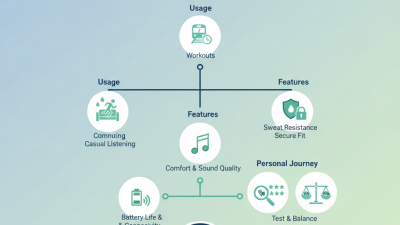
Evaluate comfort, durability, battery life, and connectivity using a practical procurement score out of 10. Connectivity and comfort receive slightly higher weighting because they directly affect calls, meetings, and daily employee use.

A strong business model should provide a secure and comfortable fit, reliable wireless performance, sufficient battery capacity for a full workday, and durable construction for frequent use.

Review Safety, Compatibility, Warranty, and Support Options

How to Choose Bluetooth Earphones for Your Business?

Safety should be checked before sound quality. The WHO-ITU Global Standard for Safe Listening recommends limiting adult exposure to 80 decibels for 40 hours weekly. Choose earphones with adjustable volume limits, stable fit, and clear battery warnings. Test them in a quiet office and a busy warehouse. Tiny controls can become frustrating.

Compatibility needs practical testing, not assumptions. The Bluetooth SIG 2024 Market Update reported about 5.4 billion Bluetooth device shipments in 2023. That scale does not guarantee smooth business use. Confirm support for your employees’ operating systems, Bluetooth profiles, multipoint connections, and video-call platforms. Test switching between a laptop and phone. Older devices may connect slowly or lose microphone quality. I once overlooked this during a purchasing review. It caused avoidable meeting delays.

Warranty terms should specify coverage, replacement procedures, battery treatment, and repair timelines. A twelve-month warranty may sound adequate, but heavy daily use can expose weaknesses earlier. Ask whether one faulty unit requires shipping the entire batch. Support quality matters too. Look for regional service channels, setup guides, firmware documentation, and response-time commitments. Gartner’s 2024 customer service research emphasizes that unresolved service friction can damage loyalty, even when the product performs well. Keep purchase records and test a sample before approving a larger order. That extra step is easy to skip. It should not be.

Select the Best Model Based on Budget and Business Value

Choosing Bluetooth earphones for business starts with value, not the lowest price. A budget model may save money today, but weak microphones can damage client calls tomorrow. Test voice clarity in a busy office, near printers and open windows. The microphone should reduce background noise without making speech sound metallic. Small details matter.

For frequent meetings, prioritize stable connections, comfortable ear tips, and at least six hours of working battery life. A charging case can cover a full workday. Check whether the earphones connect with laptops and phones without repeated pairing.

Also review warranty terms, replacement support, and product reliability reports. These factors protect your investment better than impressive packaging.

A premium model is not always the best business choice. A sales team may need simple controls, while remote workers may value stronger noise reduction. Calculate the cost per user, including spare units and support time. In my own testing, one comfortable model performed well but had confusing touch controls. That problem seemed minor until users interrupted calls accidentally. I would test with real employees before purchasing in bulk. Their feedback may challenge your first choice.