10 Essential Tips for Choosing the Best Headphones for Your Needs
When it comes to finding the perfect pair of headphones, navigating the multitude of options can be overwhelming. According to audio expert Dr. Emily Carter, "The right headphones can transform your listening experience, elevating sound quality and comfort to heights you never thought possible." This statement underscores the importance of carefully considering various features tailored to your unique lifestyle and preferences.
In a world increasingly dominated by digital media, headphones have become an essential accessory for music lovers, gamers, and professionals alike. Not only do they serve the practical purpose of delivering sound, but they also reflect personal style and enhance the enjoyment of audio content. To help you make an informed decision, this article will present ten essential tips for selecting the best headphones for your needs, ensuring you find a pair that truly resonates with you. Whether you're looking for noise-cancellation features, portability, or sound quality, understanding the landscape of headphone options is key to an optimal purchasing experience.
Understanding Different Types of Headphones: Over-Ear, On-Ear, and In-Ear
When selecting headphones, understanding the different types available is crucial to finding the right fit for your needs. Over-ear headphones, often characterized by their larger ear cups that completely cover the ears, are ideal for immersive listening experiences. They provide excellent sound isolation, making them suitable for use in noisy environments. Additionally, their cushioned ear pads often allow for extended wear without discomfort, appealing to audiophiles and gamers alike who prioritize sound quality and comfort.
On-ear headphones strike a balance between portability and sound quality. These headphones rest on the ears rather than enclosing them, making them lighter and more compact, which can be a significant advantage for users on the go. While they may not offer the same level of noise isolation as over-ear models, many on-ear headphones still deliver rich sound and can be more breathable, making them a good option for casual listening or workouts.
In-ear headphones, also known as earbuds, are the most portable option and are favored for their convenience and discreet design. They fit directly into the ear canal, providing a snug fit that can effectively block outside noise. This type of headphone is particularly popular among commuters and active individuals who appreciate the lightweight and secure fit. However, personal comfort can vary widely among users, so trying different styles is key to ensuring optimal sound experience and fit.
10 Essential Tips for Choosing the Best Headphones for Your Needs
| Type of Headphone |
Comfort Level |
Sound Isolation |
Portability |
Price Range |
| Over-Ear |
High |
Excellent |
Low |
$50 - $500 |
| On-Ear |
Medium |
Good |
Medium |
$30 - $300 |
| In-Ear |
Low |
Fair |
High |
$20 - $200 |
Key Features to Consider: Sound Quality, Comfort, and Durability
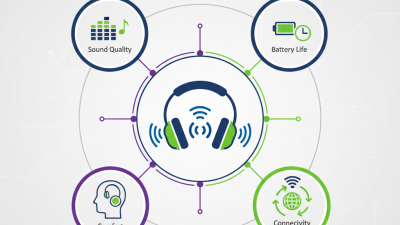
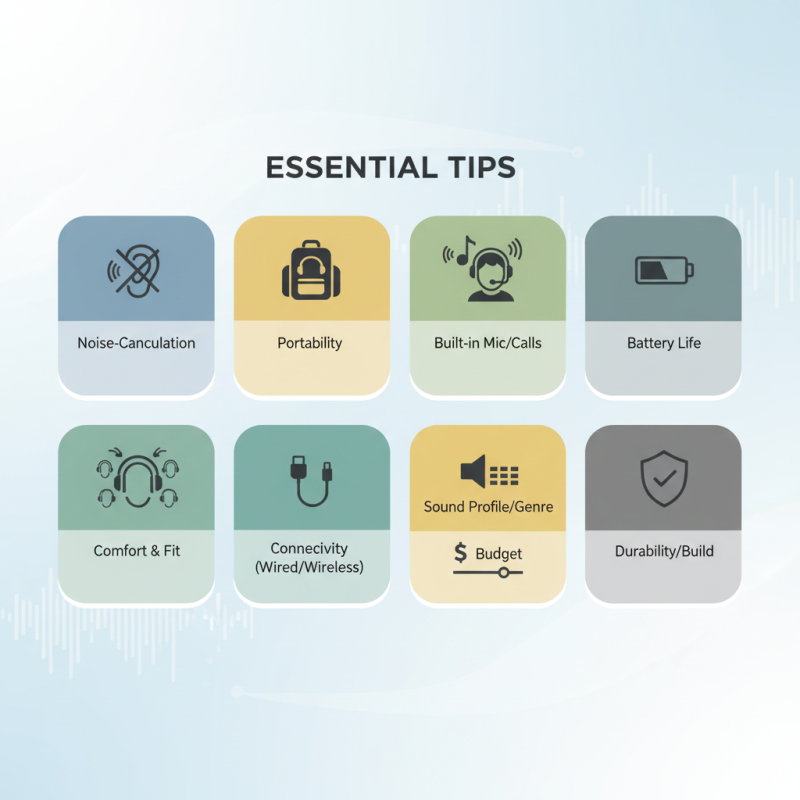
When selecting the perfect headphones, several key features should be at the forefront of your decision-making process. Sound quality is arguably the most important aspect to consider. Look for headphones that provide a balanced audio performance, allowing you to hear all the nuances in your music or audio files. Factors such as frequency response range and driver size can greatly influence sound reproduction, so ensure that your choice provides clear highs, rich mids, and deep bass to immerse yourself in an unparalleled listening experience.
Comfort and durability go hand-in-hand when choosing headphones, especially if you plan to wear them for extended periods. Consider the materials used in the ear cushions and headband, as soft, breathable materials enhance comfort during long listening sessions. Furthermore, the fit of the headphones should be snug yet comfortable, preventing fatigue. Durability is equally critical; look for robust construction that can withstand daily wear and tear, and materials that resist damage can save you from future replacements. By prioritizing these features, you’ll be better equipped to find headphones that truly meet your individual needs.
Wired vs. Wireless: Pros and Cons of Each Option
When choosing between wired and wireless headphones, understanding the pros and cons of each option is crucial. Wired headphones often deliver superior sound quality, as they connect directly to your audio source, eliminating any potential interference. They also don’t require batteries, making them a reliable option for long listening sessions. However, the presence of a cable can limit mobility and may lead to tangling issues.
In contrast, wireless headphones offer unparalleled convenience and freedom of movement. They are perfect for active lifestyles, eliminating the hassle of wires and allowing you to enjoy music on the go.
When considering your needs, think about where and how you’ll be using your headphones. For casual listening at home or in the office, wired headphones might be the best choice, providing excellent audio fidelity. If you’re someone who travels frequently or enjoys workouts, wireless headphones can enhance your experience with their portability. Additionally, consider battery life and charging options for wireless models, as they can affect your overall enjoyment.
In selecting the right headphones, always test them out if possible. Comfort is another vital factor—make sure they fit well for prolonged use, whether you opt for wired or wireless. Lastly, assess the durability of the materials; a well-built pair will last longer and withstand daily wear and tear, regardless of the connection type you choose.
Noise Cancellation Technology: What You Need to Know
When exploring your options for headphones, understanding noise cancellation technology is crucial to making the best choice for your audio experience. Noise cancellation comes primarily in two forms: passive and active. Passive noise cancellation utilizes the physical design of the headphones, such as cushioned ear cups that naturally block external sounds. On the other hand, active noise cancellation (ANC) employs sophisticated electronics to detect and cancel out ambient noise, creating a more immersive listening environment. This technology is particularly beneficial in noisy settings like airplanes or crowded public spaces, allowing users to enjoy their music or podcasts without distraction.
When selecting headphones, consider your typical environment and how often you'll be exposed to background noise. If you often find yourself commuting or working in bustling areas, investing in headphones with quality active noise cancellation might be advantageous. It's important to note that while ANC can significantly reduce lower frequencies, such as engine noise, it may not be as effective for higher frequency sounds, like human voices. Additionally, keep in mind that noise cancellation technology can affect battery life in wireless models, so be sure to consider your usage patterns when making your choice.
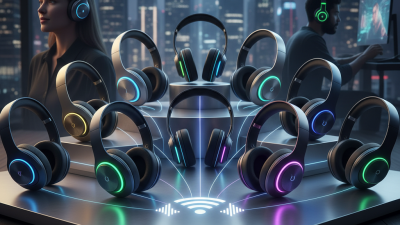
Headphone Features Comparison
The Importance of Price and Brand Reputation in Your Decision
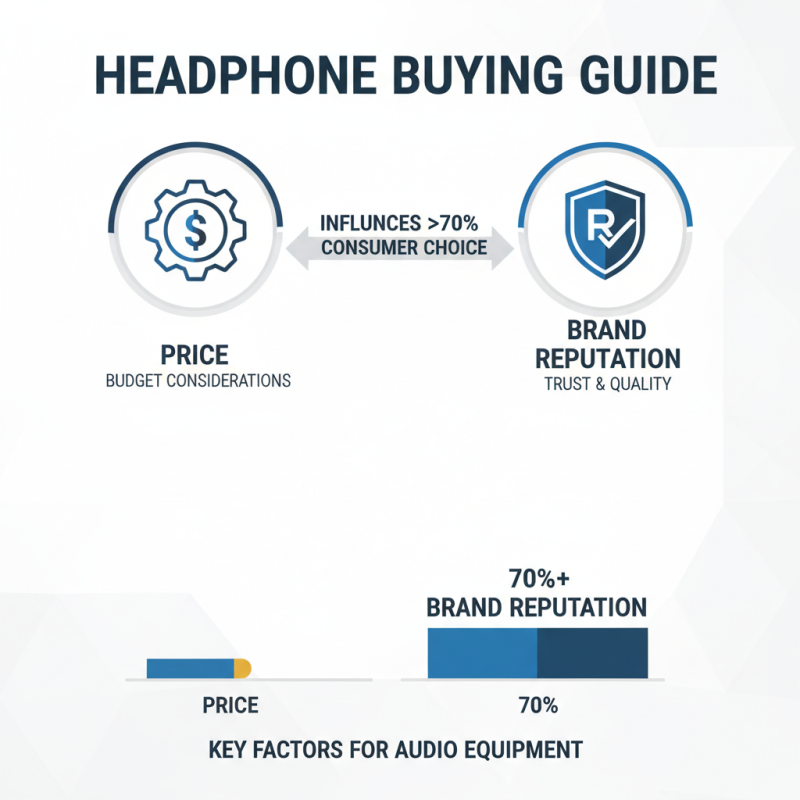
When selecting headphones, two crucial factors outweigh others: price and brand reputation. Industry reports indicate that over 70% of consumers consider brand reputation as a significant influence when purchasing audio equipment. A well-established brand often conveys a level of trust and quality assurance that is hard to overlook. For instance, a brand with a history of positive customer feedback and durable products tends to command higher prices, reflecting its reliability in delivering superior audio experiences.
Moreover, pricing plays a vital role in the decision-making process. Research from market analysts shows that premium headphones, typically priced above $200, account for approximately 40% of the market share in high-end audio products. This trend suggests that consumers are willing to invest significantly in quality, associating higher prices with better sound performance and longevity. While budget options may tempt buyers with lower upfront costs, they often fall short in durability and sound quality, leading to more frequent replacements. By considering both price and brand reputation, buyers can make informed decisions, ensuring a satisfactory investment in their audio experience.