Leave Your Message

What is a Wireless Headset? Ultimate Guide to Features and Benefits

In recent years, the demand for wireless headsets has surged dramatically, reflecting a broader trend towards untethered communication and audio experiences. According to a report by Grand View Research, the global wireless headset market is projected to reach USD 30.4 billion by 2025, growing at a compound annual growth rate (CAGR) of 16.2%. This escalation in popularity can be attributed to various factors, including the increasing adoption of smartphones and the rapid advancement of Bluetooth technology, which have made wireless headsets more convenient and accessible than ever before.

Wireless headsets offer a plethora of features designed to enhance user experience, from noise-canceling capabilities to immersive sound quality. A study by Statista revealed that approximately 34% of consumers prioritize sound quality when selecting audio devices. Additionally, the convenience of mobility without the hassle of cords makes wireless headsets an appealing choice for both casual listeners and professionals alike. As the audio landscape continues to evolve, understanding the features and benefits of wireless headsets is essential for maximizing their potential in everyday use.

What is a Wireless Headset? Ultimate Guide to Features and Benefits

What is a Wireless Headset: Definition and Overview

What is a Wireless Headset? Ultimate Guide to Features and Benefits

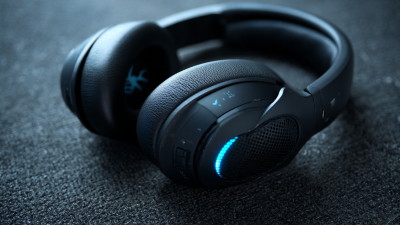
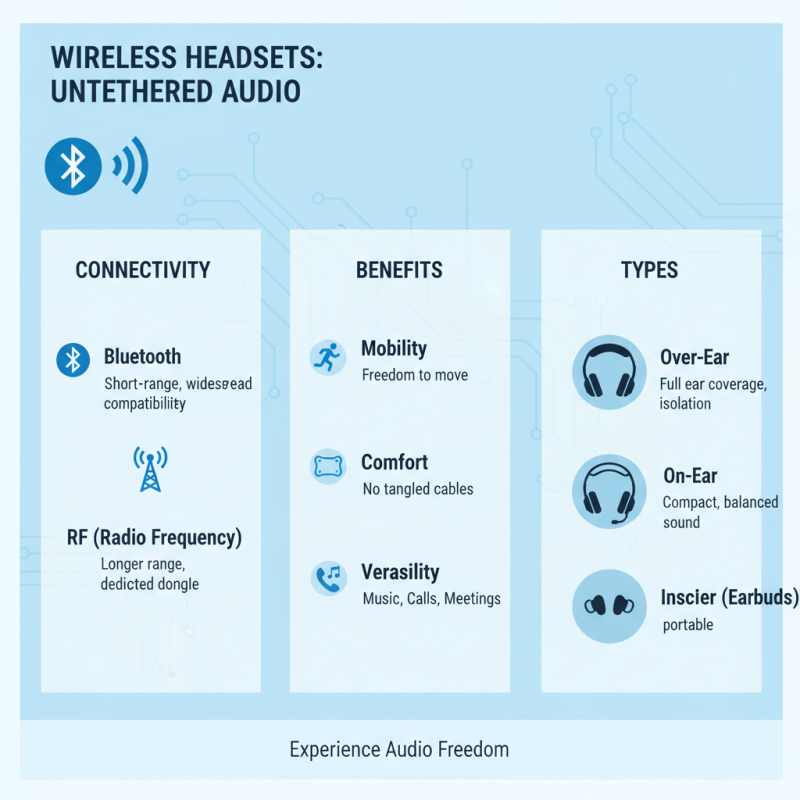
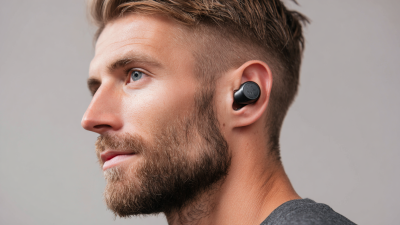
A wireless headset is a type of audio device that connects to a sound source without the need for physical cables, utilizing technologies such as Bluetooth or radio frequency. This modern convenience allows for increased mobility and comfort, making it an ideal choice for various activities, including listening to music, making phone calls, or participating in video conferences. Wireless headsets come in various forms, such as over-ear, in-ear, and on-ear styles, catering to different user preferences and needs.

These headsets typically come equipped with features like noise cancellation, built-in microphones, and long battery life, enhancing the overall user experience. Additionally, they often provide seamless connectivity with multiple devices, making it easy to switch between a smartphone, laptop, or tablet. As technology continues to advance, wireless headsets have become more sophisticated, offering superior sound quality and enhanced functionality, appealing to both casual users and audiophiles alike.
Key Features of Wireless Headsets and Their Importance

Wireless headsets have become increasingly popular in both personal and professional settings, offering a flexible alternative to traditional wired options. One of the key features that set wireless headsets apart is their Bluetooth connectivity, which allows users to connect seamlessly to various devices without the hassle of cables. According to a recent report by Grand View Research, the global wireless headset market is expected to reach $24.5 billion by 2026, reflecting a growing demand for these convenient audio solutions.

Another important aspect is noise cancellation technology. Many high-quality wireless headsets come equipped with Active Noise Cancellation (ANC) features that significantly minimize background sounds. This is especially beneficial in open work environments or during travel, where distractions can hinder concentration. The market for ANC-enabled headsets is projected to grow at a compound annual growth rate (CAGR) of 21.5% from 2021 to 2027, as more consumers recognize the value of immersing themselves in sound without external interruptions. The ergonomic design and extended battery life of premium wireless headsets further enhance their appeal, making them suitable for long-term use without discomfort. Thus, the features of wireless headsets are not only crucial for user experience but also reflect evolving consumer preferences in the audio equipment market.

Wireless Headset Features and Benefits

This chart illustrates the importance of various features of wireless headsets. Battery life and audio quality are rated as the most crucial factors, followed by comfort and noise cancellation, while connectivity range holds slightly less importance.

Benefits of Using Wireless Headsets for Daily Use

Wireless headsets have surged in popularity, particularly for daily use, due to their convenience and advanced technology. According to a report by Grand View Research, the global wireless headset market is projected to reach $69.2 billion by 2025, highlighting a significant shift towards wireless audio solutions. This trend is largely driven by the growing demand for hands-free communication, particularly among professionals and remote workers who need to stay connected without the hassle of tangled wires.

One of the primary benefits of using wireless headsets is the enhanced mobility they offer. Users can move freely without being tethered to their devices, which has been found to improve productivity, particularly in work environments. In a survey by Statista, 60% of remote workers reported that wireless headsets significantly increase their comfort and focus during calls. Additionally, with advancements such as active noise cancellation and longer battery life, wireless headsets provide a superior auditory experience. A study from the Consumer Technology Association also indicated that 78% of users prefer wireless over wired alternatives for their seamless integration with smartphones and tablets, making them an indispensable tool for modern communication.

Comparing Different Types of Wireless Headsets

When exploring wireless headsets, it’s essential to compare the different types available to find the one that best suits your needs. Broadly, wireless headsets can be categorized into Bluetooth headsets, RF (radio frequency) headsets, and infrared headsets. Bluetooth headsets are the most common due to their versatility and compatibility with various devices. They offer a reliable connection within a range of approximately 30 feet, making them ideal for mobile use and active lifestyles.

On the other hand, RF headsets provide a more extended range, often exceeding 100 feet, making them suitable for home entertainment systems or professional environments. They usually require a transmitter that connects to the audio source, delivering excellent audio quality without the delay often associated with Bluetooth connections. Infrared headsets, while less common, utilize light waves for transmission and are typically employed in specialized settings such as meetings or presentations, where secure connections are paramount. Each type has its unique advantages, and understanding these can help users make an informed decision based on their specific usage scenarios.

What is a Wireless Headset? Ultimate Guide to Features and Benefits - Comparing Different Types of Wireless Headsets

Type Range Battery Life Weight Noise Cancellation Use Case
On-Ear Headset 30-100 feet 8-15 hours 200g Basic Casual listening
Over-Ear Headset 30-100 feet 15-30 hours 300g Active Professional use
In-Ear Headset 33 feet 4-10 hours 50g Passive Fitness and travel
True Wireless Earbuds 33-100 feet 5-12 hours 30g Active Everyday use

Tips for Choosing the Right Wireless Headset for Your Needs

When choosing the right wireless headset for your needs, it's essential to consider various factors, given the rapidly growing market. According to industry analysis, the global wireless headset market is expected to reach a valuation of around $70 billion by 2033, expanding at a compound annual growth rate (CAGR) of approximately 17% from 2025. This growth is driven by increased demand across various applications, including travel, outdoor activities, and daily commuting.

Different types of wireless headsets cater to various user preferences. Over-ear headphones provide superior sound quality and noise cancellation, making them ideal for immersive experiences. In-ear options are lightweight and portable, perfect for on-the-go users. Additionally, earbud styles are gaining popularity for their convenience and seamless integration with mobile devices. When selecting a wireless headset, consider your primary use case—whether for extensive travel or outdoor use—as well as features such as battery life, Bluetooth range, and comfort, which significantly impact user experience.