



How to select earpad materials to reduce return rates
To minimize return rates, earpad selection must be driven by specific user scenarios—balancing the acoustic seal of protein leather against the breathability of fabrics or the durability of silicone—rather than simply copying previous generations or competitors.
Why Earpad Selection Dictates Return Rates
In many headphone projects, earpad materials are treated as an afterthought, often copied from previous models or competitors. However, when sports users complain about excessive sweating, office workers report peeling surfaces, or parents question the safety of materials for children's headphones, the returns have already begun.
The root cause is a mismatch between material properties and the actual environment in which the headphones are used. Thinking through these requirements during the design phase is significantly cheaper than managing post-sales complaints later.
The Functional Split Between Skin Contact and Structural Fit
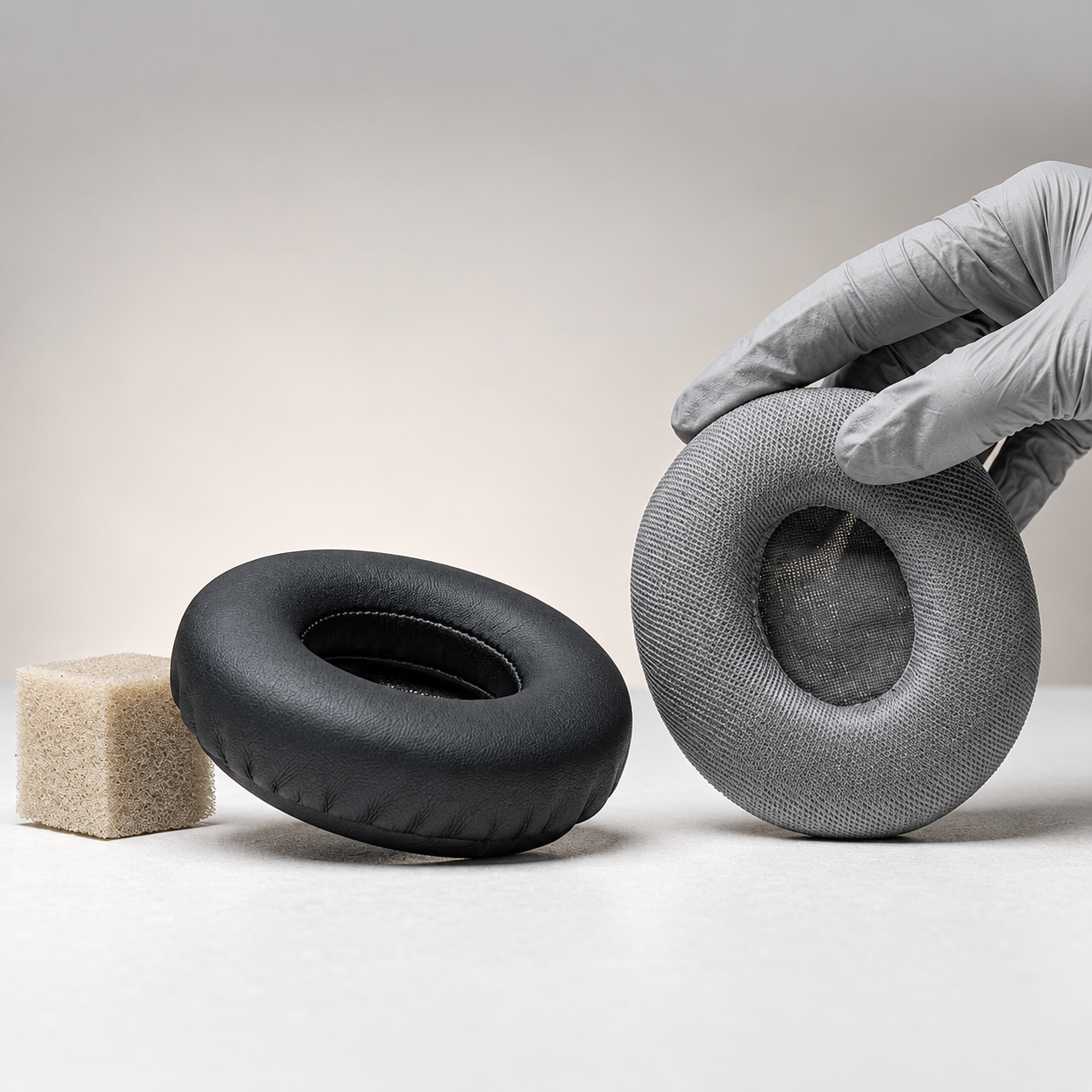
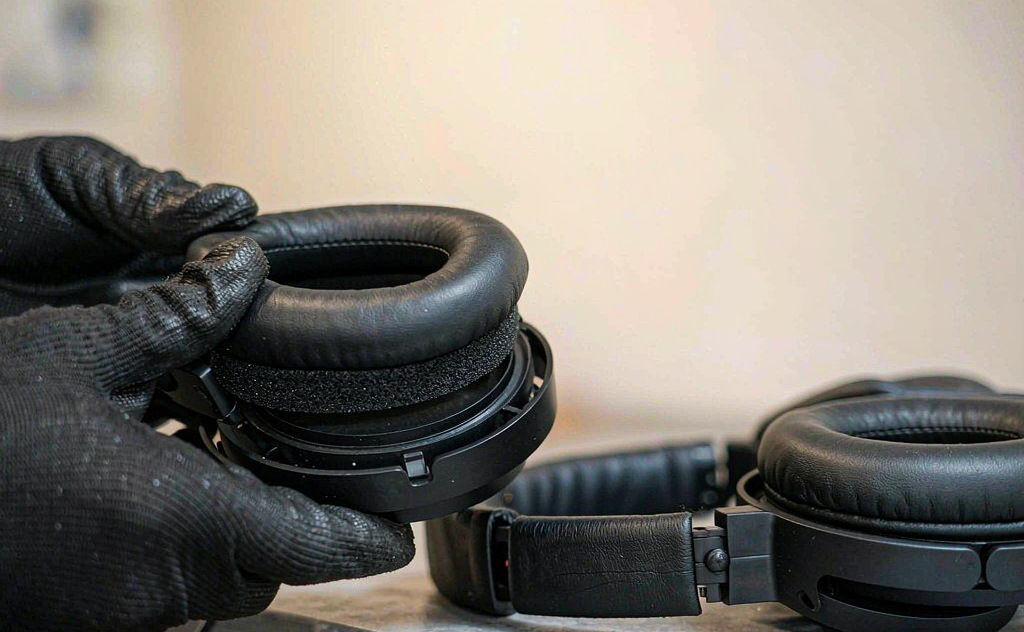
An earpad consists of two functional layers: the outer skin and the inner foam core. Each plays a distinct role in the user experience.
Surface Materials
- Protein Leather Offers a delicate touch and excellent acoustic sealing, which is vital for low-frequency performance and passive noise isolation. The trade-off is poor breathability, leading to sweaty ears and eventual hydrolysis caused by skin oils and sweat.
- Fabric and Velour These materials prioritize breathability and long-term comfort. They do not crack or peel over time. However, they provide a weaker acoustic seal, resulting in looser bass. They also absorb sweat and dust, making them harder to clean.
- Silicone The most sweat-resistant option. It is non-absorbent, easy to wipe clean, and highly durable. The drawbacks include a slightly tacky feeling against the skin and higher manufacturing costs.
Foam Cores
- Memory Foam Slow-rebound memory foam conforms to the user's facial structure and distributes pressure more evenly. This reduces fatigue during long listening sessions. It typically offers a better seal but allows less airflow.
- Standard High-Resilience Foam This foam rebounds faster and costs less. However, it often fails to create a complete seal, leaving gaps between the earpad and the user's head.
Prioritizing Materials by Product Positioning
Different product categories require different material combinations to satisfy user expectations.
- Sports and Active Use Prioritize breathability and sweat resistance. Fabric or silicone is often more suitable than protein leather because trapped heat is a common complaint in this segment.
- Office and Professional Use Focus on balancing comfort and durability. Protein leather combined with memory foam is a mainstream option because users often accept some additional heat in exchange for better passive noise isolation.
- Children's Products Prioritize skin safety and cleanability. Materials should be evaluated for sensitization risks according to applicable requirements. User-replaceable or washable earpads can also simplify maintenance.
- High-Fidelity and Studio Use Prioritize acoustic consistency. Protein leather with firmer foam is often selected to maintain the intended frequency response and passive isolation.
Defining Earpad Requirements in the RFQ
To ensure the factory delivers the required earpad, the Request for Quotation must move beyond generic material terms. It should clearly state the following information.
- Surface Material including the material type, grade, and supplier level.
- Foam Specifications including the foam type and density requirements.
- Mechanical Design including whether users must be able to replace the earpads.
- Usage Scenario including a short description of the target user and operating environment.
Instead of specifying only one material, ask the factory to provide two or three earpad options with clear cost differences. Buyers can then compare actual performance and cost instead of accepting the factory's default option.
Validating Earpads During the Sample Stage
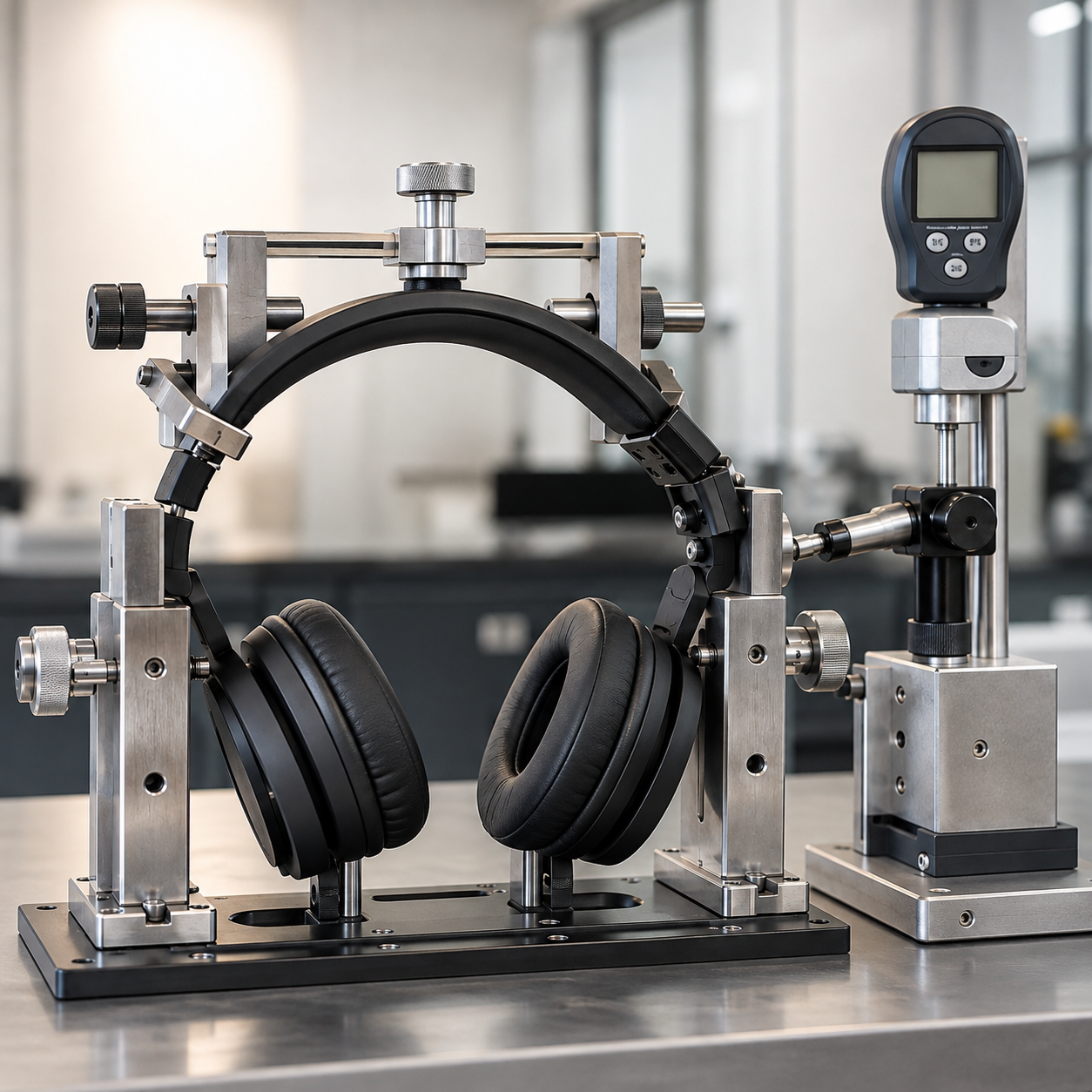
Once the samples arrive, the complete earpads must be evaluated under conditions that represent the intended use.
For sports products, testers should wear the headphones during physical activity to check slippage and moisture accumulation. For office products, a continuous wear trial can reveal pressure points and heat buildup. For children's products, buyers should verify whether the earpads can be removed and cleaned as intended.
Correcting an unsuitable earpad during the sample stage normally requires another sample revision. Discovering the same problem after mass production creates inventory, replacement, and customer-service costs.
Earpad Selection Should Be an Early Project Decision
Earpad material selection should be completed during product development rather than treated as a final appearance decision. Buyers need to match the surface material and foam structure with the intended environment, document the approved requirements in the RFQ, and validate the assembled earpads before production release.
When evaluating your next OEM or ODM headphone project, include the earpad structure in the main product discussion. A clearly approved earpad specification helps prevent material substitutions and reduces avoidable production detours.